 X (Twitter)


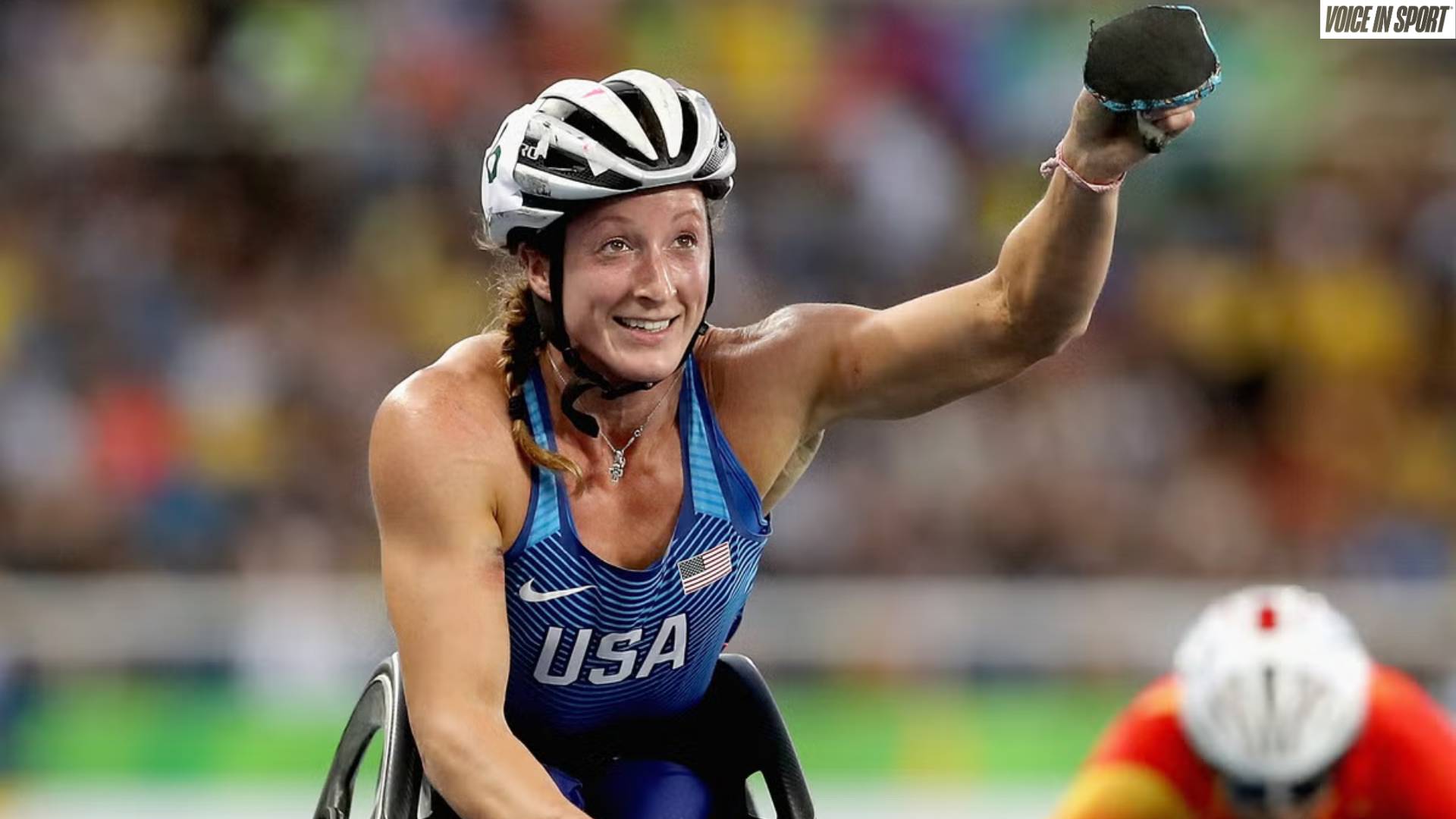
The Olympic and Paralympic Games have concluded, but for many of the world’s top women athletes, the work did not end with the closing ceremony.
Instead, a growing number of Paralympians are using their platforms to push for something that extends far beyond medals: sustained VISibility, equitable coverage, and recognition as elite competitors.
For decades, Paralympic sport has faced structural inequities in media attention, funding and commercial support compared with Olympic sport. Within that, women experience an additional layer of underrepresentation that mirrors broader trends across athletics.
Now, athletes are increasingly speaking out and reshaping how their sports are seen.
British wheelchair racer Hannah Cockroft has been direct about the challenge, particularly when it comes to sponsorship and recognition.
“It’s frustrating because it’s not through lack of trying,” she said. “You are a true elite athlete,” she told The Guardian in 2016, describing the difficulty Paralympians face in securing commercial support despite elite performance.
Cockroft, a multiple-time Paralympic champion, has since become one of the sport’s most vocal advocates, using her platform to push for recognition that reflects performance rather than perception.
In the United States, Tatyana McFadden has combined dominance with advocacy throughout her career. Reflecting on her early experience, she described how limited awareness of the Paralympics once was.
“There was little awareness,” she said of her early Games experience, noting that crowds and attention were minimal, according to a profile published by Olympics.com.
That lack of visibility has shaped her approach, pushing not only for medals but for broader recognition of the sport.
Across the Paralympic movement, women are no longer waiting for VISibility. They are building it.
Building VISibility around performance, not hardship
Athletes are using interviews, social platforms and media appearances to shift the narrative from one centered on personal adversity to one focused on competition.
Research suggests that this change is overdue.
An analysis published by the University of Melbourne found that Paralympic coverage has historically emphasized disability and personal hardship rather than athletic performance, often framing athletes through stories of overcoming adversity instead of focusing on competition. The analysis argues that this approach reinforces a perception gap between Paralympic and Olympic sport and limits audience engagement with the sport itself.
For many women athletes, changing that perception is now part of the job.
Oksana Masters has built a global following competing across both Summer and Winter disciplines, using her platform to highlight the demands of elite sport. In Italy, Beatrice Vio has become one of the most visible figures in the movement, pairing competitive success with advocacy that challenges stereotypes.
Australian swimmer Ellie Cole has taken that effort into broadcasting, focusing on race strategy and performance. American swimmer Jessica Long has similarly emphasized preparation and consistency, reinforcing the demands of elite competition.
The stakes of VISibility
For athletes, VISibility is not just about recognition. It directly affects opportunity.
Sponsorship and financial support are closely tied to exposure, and without consistent coverage, even medalists can struggle to secure long-term backing. For women who already receive less media attention across sports, the challenge is compounded.
That reality has led many athletes to take a more active role in building their own audiences.
Cuban sprinter Omara Durand, Switzerland’s Manuela Schär and Dutch tennis player Diede de Groot are among those helping bring greater visibility to their sports through year-round competition and digital engagement.
In archery, Zahra Nemati has used her success to break barriers far beyond sport, becoming the first Iranian woman to win a gold medal at either the Olympics or Paralympics.
At the institutional level, the International Paralympic Committee has also signaled a shift. In announcing its first Impact Strategy, the IPC said the initiative is designed to expand the reach of Para sport and address inequalities faced by the world’s 1.3 billion people with disabilities.
According to the IPC, the strategy focuses on increasing access to sport, strengthening the legacy of the Paralympic Games, building partnerships and improving how impact is measured, with the broader goal of using sport as a driver of social change.
Still, athletes say meaningful change will depend on what happens between Games cycles.
For many of the women leading this movement, the goal is not just attention during the Paralympics, but continued support afterward.
Part of that shift begins with familiarity.
Knowing the athletes, their events, and their rivalries makes the sport more compelling to follow. And for those looking to stay engaged beyond the Games, there is no shortage of talent to watch.
Among them are McFadden, whose dominance spans track and marathon racing; Masters, whose multi-sport career is nearly unmatched; Vio, a leading force in wheelchair fencing; Cockroft, a consistent champion and vocal advocate; Long, one of the most decorated swimmers in Paralympic history; Cole, now shaping how the sport is covered; Durand, widely considered one of the fastest Paralympians in the world; Schär, a dominant marathon racer; de Groot, a standout in wheelchair tennis; and Nemati, a global trailblazer.
Together, they represent not only the depth of competition in Paralympic sport, but the opportunity to expand its audience.
The performances are already there. The talent is undeniable.
What these women are asking for is simple: to be seen, to be followed and to be supported long after the Games are over.
