 X (Twitter)


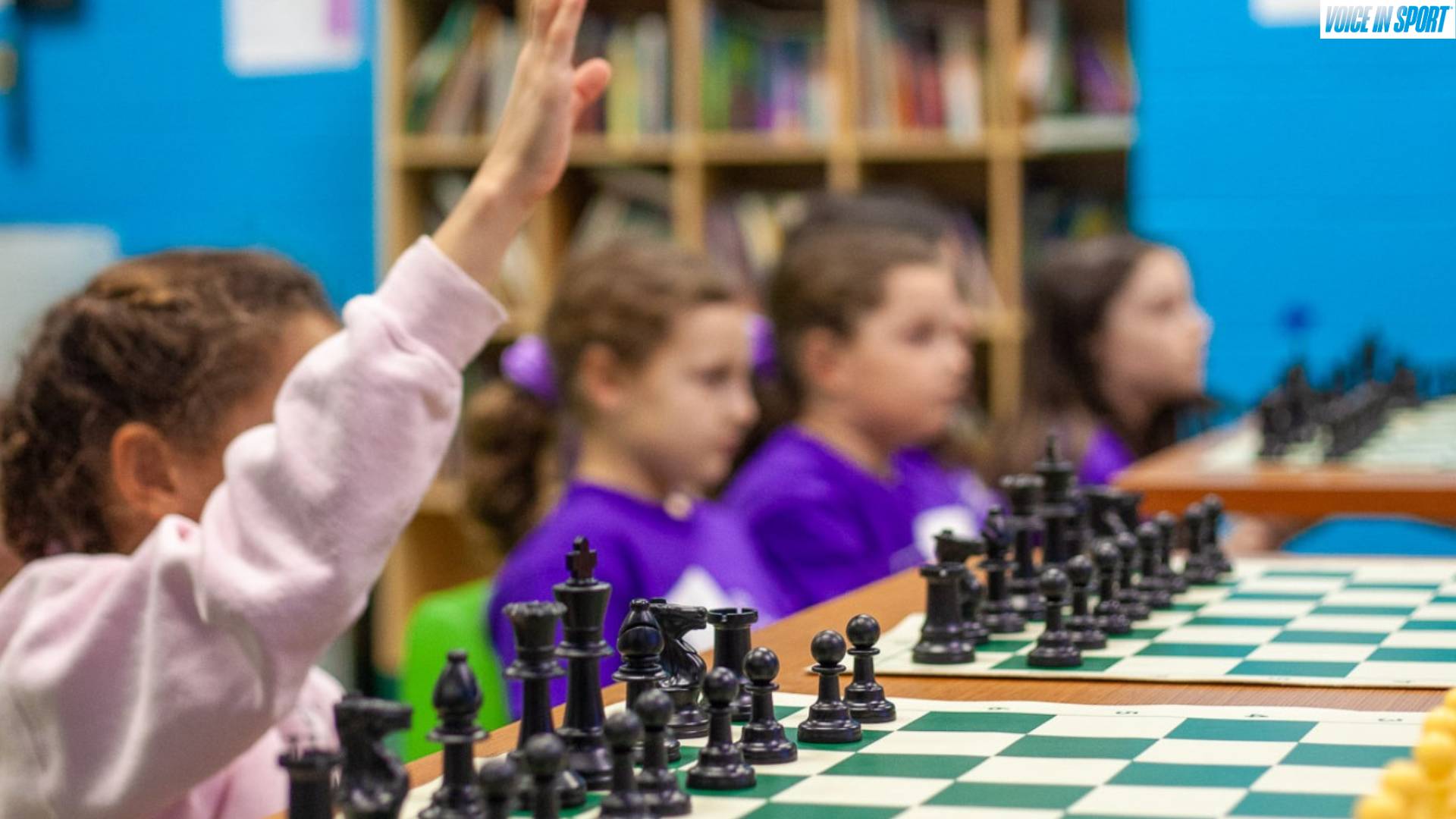
Chess has long been seen as a sport built on strategic thinking and competition. It’s also long been assumed to be a man’s sport.
For generations, society has forced women into supporting roles in stories about power and strategy. Skills like calculation, competition, and mastery are framed as masculine traits. Chess reflects those cultural assumptions and has long disregarded the skill of women.
Chess is a game of power, patience, and precision. It’s a game of rankings and trophies, of calculation and strategy. But it’s much more than that.
The women reshaping chess today see something beyond the 64 squares on the board. Rather than focusing only on rankings, ratings, and trophies, they see the board as a training ground for confidence, decision making, and leadership. The skills learned through chess extend far beyond the game.
Across the chess world, players, educators, and community leaders are working to redefine what success in chess can look like for women and why the game matters in the first place.
Perpetual Ogbiyoyo: Confidence Through Competition
Perpetual Ogbiyoyo is a two time Nigerian Women’s Chess Champion who began playing at the age of 19. Within two years of playing chess, she earned the title of Woman FIDE Master and later founded Promoting Queens, an organization that empowers women around the world through chess education.
For Ogbiyoyo, chess has always been about possibility, especially since she entered the game later than many competitive players.
“Chess changed how I saw myself and helped me make better decisions, not just on the board but in life,” she says.
Through Promoting Queens, Ogbiyoyo works to ensure that girls entering the game feel supported from the start.
“Girls should not have to figure everything out alone,” she explains. “They should be able to step into the game with mentorship and community and reach their potential from the very beginning.”
Ogbiyoyo notes that women entering the sport often face barriers ranging from limited access to competitive training to self doubt about whether they belong in the space at all.
“Chess requires focus and decisiveness from all players,” she says. “What I have noticed is that girls sometimes hold back while building confidence in a new environment.”
Through coaching and mentorship, Ogbiyoyo focuses on normalizing assertiveness and strategic thinking for girls. And this normalization starts with VISibility. Young girls need chess players to look up to who look like them—confident, powerful women commanding the board.
“Representation changes everything. Seeing players who look like them succeed gives girls belief. It shows them that they belong, that their talent is valid, and that there is a path for them to succeed.”
Showing young players the paths and building confidence are what Ogbiyoyo loves about chess. “Success is more than trophies,” she says. “It is confidence, resilience, and the ability to trust your own decisions under pressure. It is about building a mindset that carries into every part of life.”
Jenny Ingber: Building the Pipeline
While players like Ogbiyoyo are reshaping competitive chess, others are working earlier in the pipeline to ensure more girls have access to the game in the first place. Jenny Ingber is the CEO of Chess in the Schools, a New York City nonprofit that uses chess as an educational tool to support academic and social growth for students from low income communities.
Chess in the Schools actively recruits girls into clubs, hosts two free all-girls tournaments annually in Manhattan and the Bronx with over 500 participants, and has seen nearly 30% female participation in its College Bound program - evidence of a growing and sustained pipeline.
Ingber’s goal is to write a counter-narrative to this mainstream idea. It’s not about producing elite competitors. It’s about empowering young girls.
“I hope young girls realize that they can succeed at anything they put their minds to if they are willing to work hard,” she says. “What matters is the commitment to the game and the willingness to improve. Those lessons stay with students long after the match ends.”
Ashley Lynn Priore: Reframing the System
If you notice one thread from this article, let it be this: chess builds confidence and empowers women. For Ashley Lynn Priore, this philosophy couldn’t be more true. Chess is not just a competitive sport. It’s a framework for leadership and strategy.
Priore began playing chess at the age of four and is now the founder of Queens Gambit—a national nonprofit that uses chess to develop leadership, confidence, and strategic thinking in young people—and Queenside Ventures—a consulting and media firm that uses chess as a model for strategic thinking, leadership, and communication.
She describes her work as “bringing the chessboard into rooms that do not think they are chess rooms yet.”
“Chess gave me a language for focus, discipline, and decision making,” Priore says. “For a long time I lived in the competitive world where results speak for you, but your identity still gets questioned.”
As one of the only girls in many of the chess spaces she entered growing up, Priore often felt like an outsider. That experience eventually inspired her to create the kind of community she wished had existed earlier in her life.
At a young age she began teaching chess in libraries and schools in an effort to make the game more accessible and community driven. Over time, Priore realized that the lessons of chess extended far beyond competition.
“I kept watching people in sports, business, and civic leadership struggle with the same challenges chess trains you for,” she says. “Staying calm under pressure, thinking several moves ahead, adapting quickly, and making decisions when there is no perfect answer.”
Chess is more than a game. It’s a venue to hone skills and learn to stay calm or make decisions. It is a competition, but it’s so much more than that.
And like many competitions, chess has players who come in with an advantage.
“[Chess spaces] tend to serve players who already have money, coaching, and social capital,” Priore says.
As a result, women, players of color, and adults who did not grow up playing chess are often excluded from the broader talent pool. For Priore, expanding access to chess is ultimately about expanding access to power and strategic thinking.
“It’s not a talent gap. It’s a design gap,” she says. “Ultimately, the gap was never just about access to chess. It was about access to confidence, leadership, and the permission to claim those qualities.”
She believes chess spaces must evolve to support beginners, create mentorship opportunities, and normalize community driven environments where people can learn without fear of failure.
“When I look at the community we are building, I am most proud that it has expanded who gets access to strategy, leadership, and belonging through chess,” Priore says.
A Different Vision of Success
For generations, chess has been defined by rankings, ratings, and titles. Yet the women working to reshape the culture of the game are expanding its meaning.
The chessboard can still be a place for competition and achievement. But it is also something more powerful: a space where people learn to think strategically, trust their judgment, and remain composed under pressure.
For the growing number of women entering the chess world, those lessons extend far beyond the board. They become tools for leadership, confidence, and decision making in every arena where the next move matters.
