 X (Twitter)



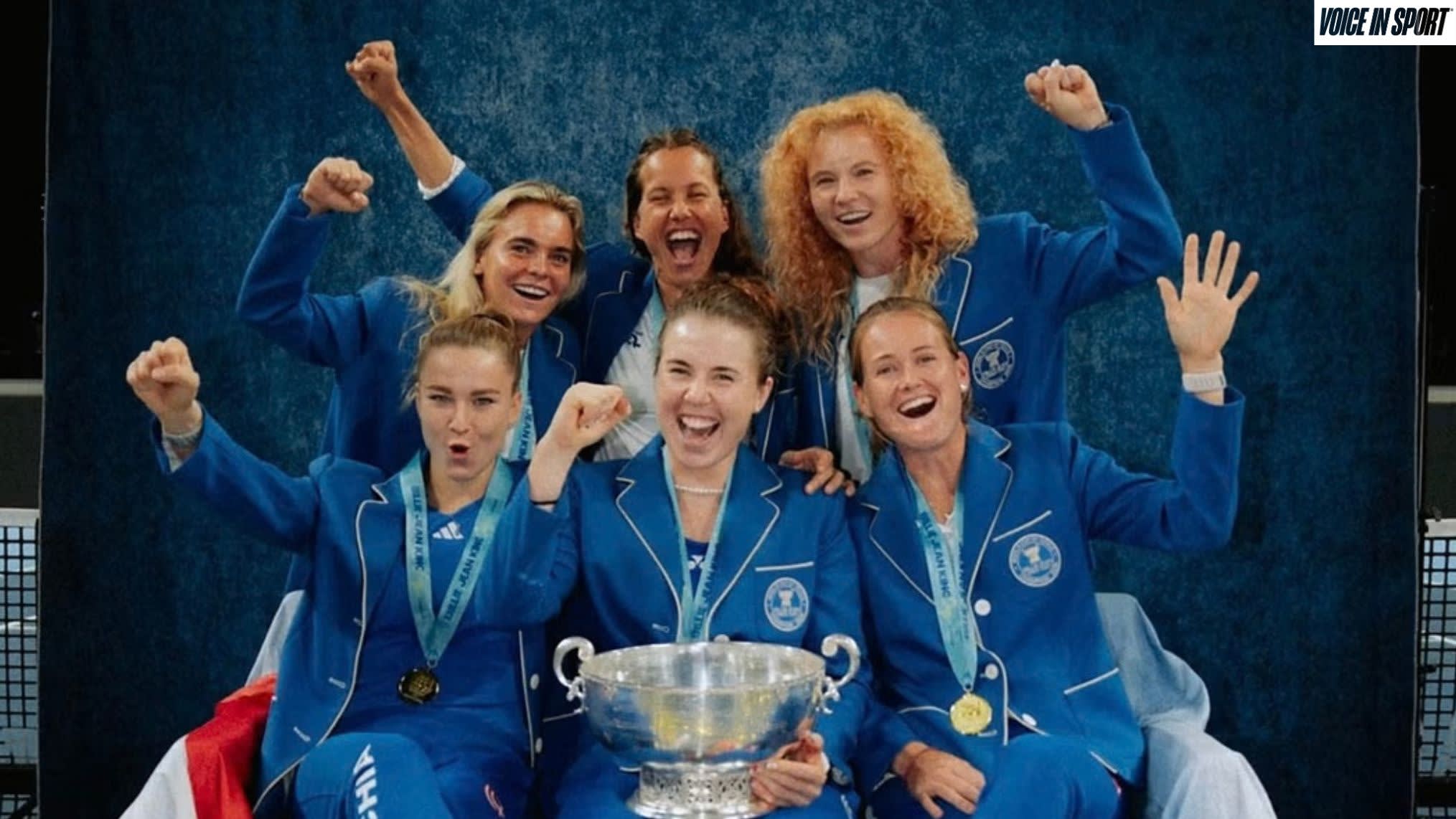
Originally the Federation Cup, the Billie Jean King Cup was renamed to honor sports equity icon Billie Jean King. The Billie Jean King Cup holds a unique place in the tennis world.
Many players spend the majority of the year competing individually on tour, representing their countries while pursuing personal achievement. However, at the BJK Cup, that focus turns into a shared mission. For smaller nations, this shift is especially meaningful because representation extends beyond winning matches to inspiring the next generation. It brings hope and puts their country on the map globally.
Representation Matters
The pathways to elite athletics are never the same. In places where sports are developing or the resources get moved somewhere else, achieving success, especially at the international level is very difficult. Players that come from these backgrounds often lack access to nice training facilities, gear, funding, or a network needed to break into professional tennis.
When players are able to break through these barriers, their impact does not go unnoticed. That extends beyond their personal career stats. They become a symbol of possibility. When people are able to see players from their home country compete at the highest level, it shapes young athletes' mentality and allows them to dream big. It truly proves that talent combined with resilience can bridge gaps that are created by geographic and economic limits.
At the National Stage
The journeys of players from different nations illustrate how individual grit feeds into national momentum on the international stage. Elena Rybakina, who represents Kazakhstan, is the first-ever Grand Slam champion from her country. At the 2025 BJK Cup, she helped bring the country to the quarterfinals through her steady, composed demeanor on the court. This year, Rybakina had to withdraw from the BJK Cup due to an Achilles injury.
With the loss of Rybakina, Elina Svitolina from Ukraine, stepped up. She has been competing through her country’s severe national adversity and conflict with Russia. Her career has created social impact and significance. She is driven to bring visibility and support to her homeland. Her leadership helped Ukraine make it all the way to the Cup finals, where Ukraine finished as runners-up to Czechia.
“Really stepped up my game, with all the support from you guys, and the Ukrainian fans,” Svitolina said after defeating Italy in the semi-finals to push Ukraine to the final against Czechia. “Just really special moment for Ukraine… going through difficult times back at home.”
Hanne Vandewinkel, representing Belgium, helped bring her country to the knockout stage, facing Ukraine in the quarterfinals. Belgium is popular in tennis but has a smaller population. Vandewinkel is a young star with great potential, who has stepped up as a fearless competitor. She highlights her personal drive to help smaller nations to push and make an impact on the global stage.
“I just try to get on court and give my 100%,” Vandewinkel said in a podcast describing her mentality facing top-ranked opponents.
“Really stepped up my game, with all the support from you guys, and the Ukrainian fans. Just really special moment for Ukraine… going through difficult times back at home.”
Country Pride
Individual tournaments help add to an athlete’s personal achievements, but team competitions help measure a nation’s collective pride. When players take the court representing their own countries, the dynamic of the sport changes. Every point that is played echos to fans, young athletes who want to dream big, and communities back home.
This creates a ripple effect. A strong performance by a national team encourages local investment in programs, facilities, and builds a stronger community. It creates environments where future athletes no longer see global impact through sports as unrealistic, but as a real possibility.
Events like the Billie Jean King Cup demonstrate how sports carry meaning beyond trophies or individual rankings. When athletes wear their nation’s colors, they carry the aspirations of their homeland, proving through teamwork, resilience, and pride, collective effort will always outdo individual gain.
