 X (Twitter)




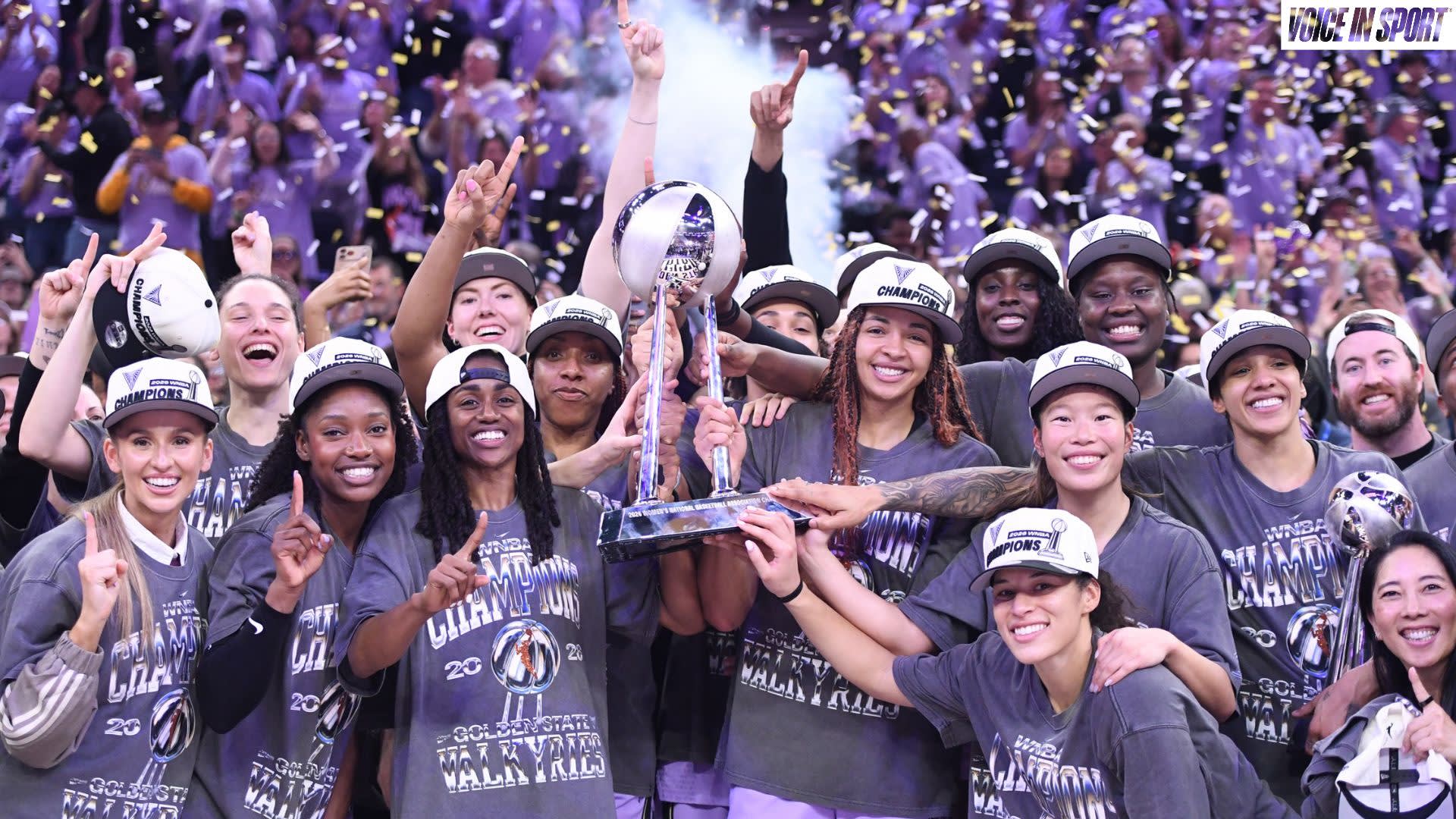
The WNBA is growing up, and like any good growth spurt, it's coming with a few awkward moments. The 2026 WNBA Finals gave us everything we could have hoped for: an exciting championship matchup, passionate fans and a historic Game 7. But beyond basketball, the series also offered a glimpse into what happens when a league starts outgrowing the systems it was built around. From sold-out arenas to unusual scheduling adjustments, the Finals reminded us that success doesn't always come with a perfectly organized calendar. Sometimes, it comes with a 12:30 p.m. championship game on a Thursday.
When the Game Plan Changes
Most sports fans are used to planning their evenings around big games. This year, WNBA fans had to plan their lunch breaks instead. Game 6 between the Atlanta Dream and Golden State Valkyries tipped off at 12:30 p.m. Eastern Time, a change from its originally scheduled 8 p.m. start. The adjustment came after the Dream moved their Finals games to State Farm Arena, a much larger venue than their usual home at Gateway Center Arena.
With the Atlanta Hawks also scheduled to play that evening, the WNBA, NBA and arena officials worked together to accommodate both matchups. Was it the most convenient solution? Probably not. But it allowed thousands more fans to experience a championship game in person.
Atlanta Dream head coach Karl Smesko recognized the challenge, telling ESPN, "I'm disappointed for that, but I'm hopeful as many people can see the game as possible."
The situation highlighted an important lesson: growth requires flexibility, and sometimes the best available solution isn't the easiest one.
The Fans Understood the Assignment
If there's one thing we've learned about women's sports fans, it's that they know how to show up. Despite the unusual tipoff, Game 6 sold out State Farm Arena, bringing roughly 17,000 fans together on a Thursday afternoon. Apparently, basketball was a perfectly acceptable reason to rearrange the workday. Golden State head coach Natalie Nakase wasn't surprised by the dedication of her team's supporters.
"The beauty of Ballhalla is they'll sacrifice. They're going to sacrifice," Nakase said when discussing with ESPN how fans would adjust to the earlier start.
Atlanta's Allisha Gray shared a similar attitude from the players' perspective, saying, "It's the Finals. We just got to do what we've got to do."
That mentality is something many of us can relate to as women athletes. We've learned to adapt to changing schedules, early practices and unexpected challenges because the opportunity to compete is worth it. But the response from fans offered another lesson: when people genuinely care about a sport, they'll find ways to support it, even when the circumstances aren't ideal.
“ It's the Finals. We just got to do what we've got to do.”
A Good Problem to Have
A few years ago, conversations surrounding women's basketball often focused on how to attract larger audiences. Now, we're discussing how to fit those audiences into arenas. That's progress worth celebrating. The Dream's move to State Farm Arena wasn't simply a logistical challenge. It was a reflection of how much demand for women's basketball has grown. WNBA Commissioner Cathy Engelbert described the atmosphere during the earlier Atlanta Finals games as "a tremendous success," emphasizing the opportunity to welcome thousands more fans.
Larger venues create opportunities for more ticket sales, stronger fan engagement and greater visibility, but they also encourage organizations to think ahead about how to accommodate continued growth. The lesson here is that investment and opportunity go hand in hand. Of course, that means addressing scheduling conflicts and making adjustments along the way. But those challenges are much easier to embrace when they're happening because more people want to watch women's basketball. It's an exciting position for a league that has spent years working to build its audience.
Building for What's Next
The most exciting takeaway from the 2026 Finals might not be what happened during the series, but what it suggests about the future. Golden State's championship in just its second season demonstrated what a new franchise can accomplish with strong leadership, organizational investment and an enthusiastic fan base.
Meanwhile, Atlanta's packed arena showed that demand for women's basketball continues to create new opportunities. The Dream's agreement to play their home games at State Farm Arena beginning in 2027 is another example of how that growth is already translating into long-term changes. As women in sports, we've spent years hoping to see this kind of momentum. Now that it's here, the conversation can shift from proving that people will show up to figuring out how to welcome even more of them. That means thinking bigger about venues, planning further ahead and continuing to build experiences that make fans want to return.
The WNBA doesn't have to figure everything out overnight. Growing pains are a natural part of progress, and this season offered plenty of reasons to be excited about what's coming. If the biggest challenge is finding enough room for everyone who wants to watch women's basketball, I'd say we're heading in a pretty good direction. And next time, maybe we'll even get to watch the Finals after work.
