 X (Twitter)




There is a particular kind of pressure that comes with a championship final. One opportunity. 90 minutes. An entire season condensed into a single afternoon.
For AFC Toronto and Montréal Roses, the 2026 Northern Super League Final was about more than lifting the Diana B. Matheson Cup. It was an opportunity to see how far two clubs had come, how much they had invested in their journeys and what it takes to perform when the stakes are highest.
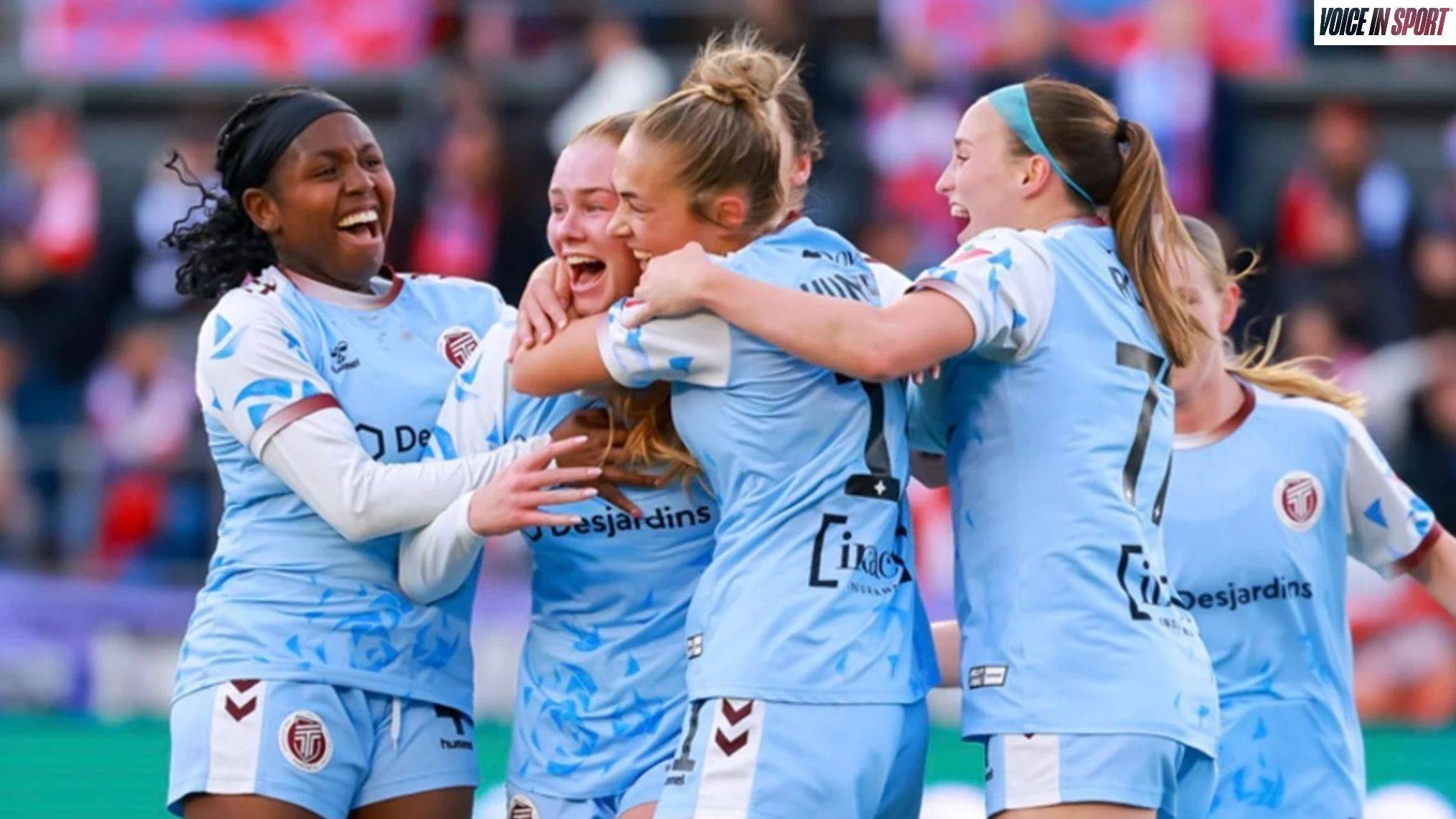
On November 14, Toronto emerged as champions with a 1-0 victory at TD Place in Ottawa. But the scoreline only tells part of the story.
The final was a reminder that success in sport is rarely built around one moment. It comes from preparation, trust, leadership and the ability to manage pressure when everything is on the line.
And sometimes, it comes from a 17-year-old deciding she is ready for her moment.
When The Biggest Moment Belongs To The Youngest Player
Olivia Chisholm had been waiting all season to score her first professional goal. She could hardly have chosen a bigger occasion.
In the 39th minute, Lauren Rowe drove down the right before finding Chisholm in space. The midfielder took her opportunity and fired past Montréal goalkeeper Gabrielle Lambert.
It was the only goal of the final. It was also enough to make Toronto champions.
Chisholm was subsequently named Final MVP.
"I've been waiting all season to score my first goal, so it was a pretty good time to score," she said after the match.
There is something powerful about that moment.
Chisholm did not need to be the most experienced player on the pitch. She needed to recognise the opportunity, trust her instincts and execute. She later explained that she had noticed the space opening as Montréal's defensive line dropped. She trusted Rowe to recover possession despite a heavier touch and positioned herself to receive the ball.
"As it left my foot, I kind of had a good feeling that it was going to go in, and then it did," Chisholm said.
For athletes, these moments can change how they see themselves. A breakthrough performance can build confidence, reinforce years of work and show what is possible when preparation meets opportunity. Chisholm's achievement also highlights why players need environments that allow them to grow without carrying the expectation of having to deliver every time.
One goal does not define a career. Neither should a single mistake. The challenge for women's soccer is to create pathways where young talent can experience both without losing the support needed to develop.
“I've been waiting all season to score my first goal, so pretty good time to score and to celebrate with all my teammates and coaching staff.”
Leadership is More Than Wearing the Armband
For Nikayla Small, the championship carried a different meaning.
Toronto had reached the inaugural NSL Final in 2025 after finishing top of the regular-season standings, only to lose the title to Vancouver Rise. Returning to the final meant confronting a disappointment the club already knew.
This time, Small was determined that the outcome would be different.
"There was only one thing on my mind. We weren't going to lose," the Toronto captain said.
Her words reflected the confidence within the squad, but leadership is not simply about setting ambitious expectations. It is about helping teammates navigate the pressure that comes with them.
Small also spoke about wanting to remain herself in her leadership role, leading by example while becoming more vocal when the team needed her.
That balance matters.
Athletes do not all respond to pressure in the same way. Some need encouragement. Others need accountability. Effective leadership creates room for both while keeping the group connected to a shared goal.
After the final whistle, Small also spoke about the significance of celebrating with the supporters, families and friends who had travelled to Ottawa.
The championship belonged to more than the players on the pitch.
What Happens When The Result Doesn't Go Your Way?
For Montréal, the final brought a different emotional challenge.
The Roses arrived as Supporters' Shield winners, having gone 12 matches unbeaten. They had built an impressive season under interim head coach Maryse Bard-Martel and were looking to complete the double. Instead, they left Ottawa without the championship.
Despite creating opportunities, Montréal could not find an equalizer. Sabrina D'Angelo made three saves to preserve Toronto's clean sheet, while the Roses struggled to turn their possession into a decisive finish.
Bard-Martel refused to let the defeat erase what her players had accomplished.
"There are some days where the ball just doesn't go into the net," Bard-Martel said.
Montréal midfielder Charlotte Bilbault also recognized the importance of perspective.
"We always want more, but sometimes we mustn't forget where we come from," Bilbault explained.
That is an important lesson in high-performance sport. Athletes are often measured by their most recent result. A missed opportunity, a defeat or a disappointing performance can quickly overshadow months of progress.
Resilience does not mean pretending that losing does not hurt. It means allowing disappointment to exist without letting it define everything that came before it.
For Montréal, winning the Supporters' Shield was a significant achievement. Reaching the championship final was another. Neither disappeared because of one defeat.
The ability to process setbacks, reflect and return with purpose is part of an athlete's development.
“We always want more, but sometimes we mustn't forget where we come from.”
Building a League Means Building People
The NSL Final also represented something bigger than the two clubs involved.
Women's soccer in Canada is still developing its professional foundations. Every competitive season, every new opportunity and every young player given meaningful minutes contributes to the league's long-term future.
That development requires more than quality soccer. It requires investment in coaching, medical care, sports psychology, nutrition, recovery and athlete development. It requires clubs to create environments where players can perform without feeling that their entire future depends on one result.
It also means recognizing the people who make these moments possible.
Toronto head coach Marko Milanović described the greatest reward of the championship as seeing the players, their families, friends and traveling supporters celebrating together.
"Just kind of taking a step back and just seeing how happy everyone is, that makes it all worth it," he said.
That is the part of sport that can sometimes disappear behind the statistics and silverware. The relationships. The sacrifices. The people who show up long before the cameras arrive.
Toronto now has a championship to defend. Montréal has another opportunity to build on an outstanding season. Chisholm has a breakthrough moment to remember, while Small and her teammates have another standard to chase.
The most important takeaway from the final extends beyond the trophy.
A strong women's soccer league does not just produce champions. It creates an environment where athletes can develop, lead, fail, recover and keep believing in what they can achieve. In the end, while the final whistle ends the match, it does not end the journey.
