 X (Twitter)



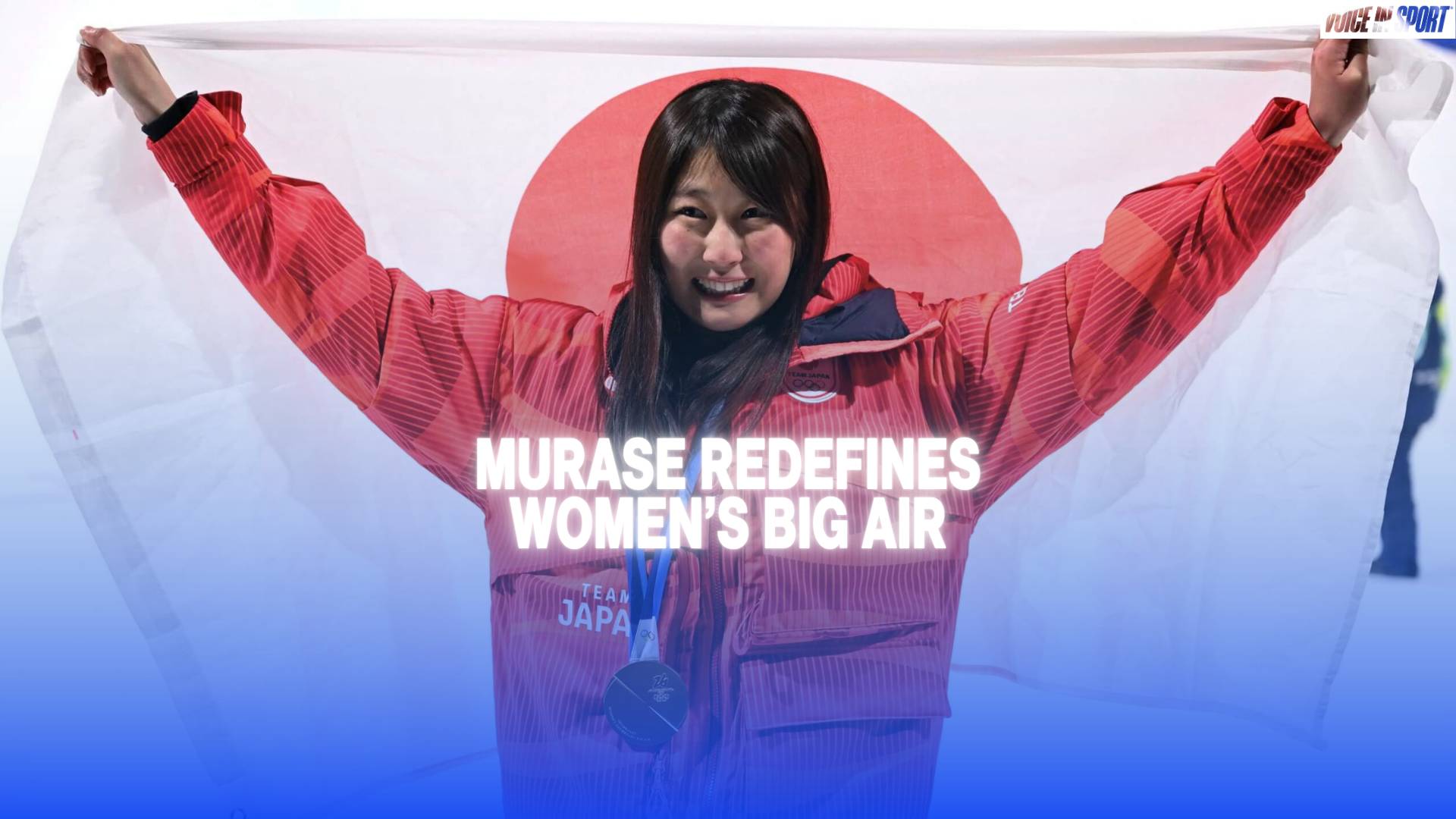
A new queen of snowboarding was crowned at Livigno Snow Park in a jaw-dropping fashion. Kokomo Murase, a 21-year-old from Japan, didn’t just win the Big Air final. She reset the standard of women’s snowboarding for future generations.
The 2026 Milano Cortina competition is now being recognized as the most technically advanced women’s final in Olympic history. On top of that, Murase’s victory made her the first Japanese woman to win Olympic gold in Big Air. Her confidence propelled her ahead of competition, with her fearless performance showcasing the start of a new era for women’s snowboarding.
From Bronze to Breakthrough
Kokomo Murase is no stranger to the Olympic stage.
At the Beijing Games, she earned a bronze medal at just 17 years old, signaling the rise of a new leader in the sport. Four years later, competing against a blend of rising talent and veteran returners, Murase delivered a record-setting score of 179.00 points to capture the gold medal. She set the tone early, opening with a backside triple cork 1440 in her first high-scoring run—a level of difficulty rarely seen in past Olympic finals. From there, she left fans and competitors in awe through a combination of progression and execution to stand atop the podium.
The Jump to Gold
Heading into her final run, Murase already had a medal secured, leaving her with a choice: protect her position or push for something greater. She chose progression. Rather than settling for another bronze, Murase landed a frontside triple cork 1440 on her final jump, a highly difficult trick to execute under Olympic pressure. Her bold decision to attempt high-level tricks, even with a medal already secured, cemented her as the new face for women’s snowboarding.
A Culture of Support
Murase’s victory was not just record breaking, it indicated the supportive culture within women’s snowboarding.
Austria’s Anna Gasser, a two-time defending Olympic champion, had set her sights on earning her historic third consecutive gold medal in the event, but early mistakes dashed her hopes. Rather than being frustrated, Gasser embraced the moment showing her support for her fellow competitors, accrediting their performances as a symbol for how far the sport has evolved.
“I’m happy to pass on the crown, the big crown, to Kokomo. She really deserves it and, yeah, it's crazy to see how far the sport has come in the last few years," Gasser said after the competition.
That respect was returned by competitors like Zoi Sadowski-Synnott, who recognized everything Anna Gasser has done to elevate women’s Big Air.
"I feel she has led the forefront of women’s snowboard progress, and if I could name the one person who has had the biggest impact on snowboarding it would be Anna Gasser," Sadowski-Synnott said.
The 2026 Winter Games introduced a new level of progression and respect, pushing women’s snowboarding to unmatched heights while connecting elite athletes through shared greatness.
Murase’s Worldwide Impact
Murase’s win continued Japan’s success at the 2026 Winter Games, with the nation sweeping both the men’s and women’s Big Air competitions. More importantly, her victory served as a powerful source of inspiration for women athletes around the world. Murase’s bold choice to push for gold was unlike anything seen in previous Olympic cycles. Her advanced skill set and determination marked her journey as a blueprint for athletes everywhere.
“I want to execute my tricks perfectly, win the gold medal and return to Japan,” Murase said before her competition. And execute she did.
Now after fulfilling her promise, Kokomo Murase can return home as a symbol of what's possible for the future of women’s snowboarding.
