 X (Twitter)



Beyond the Rise
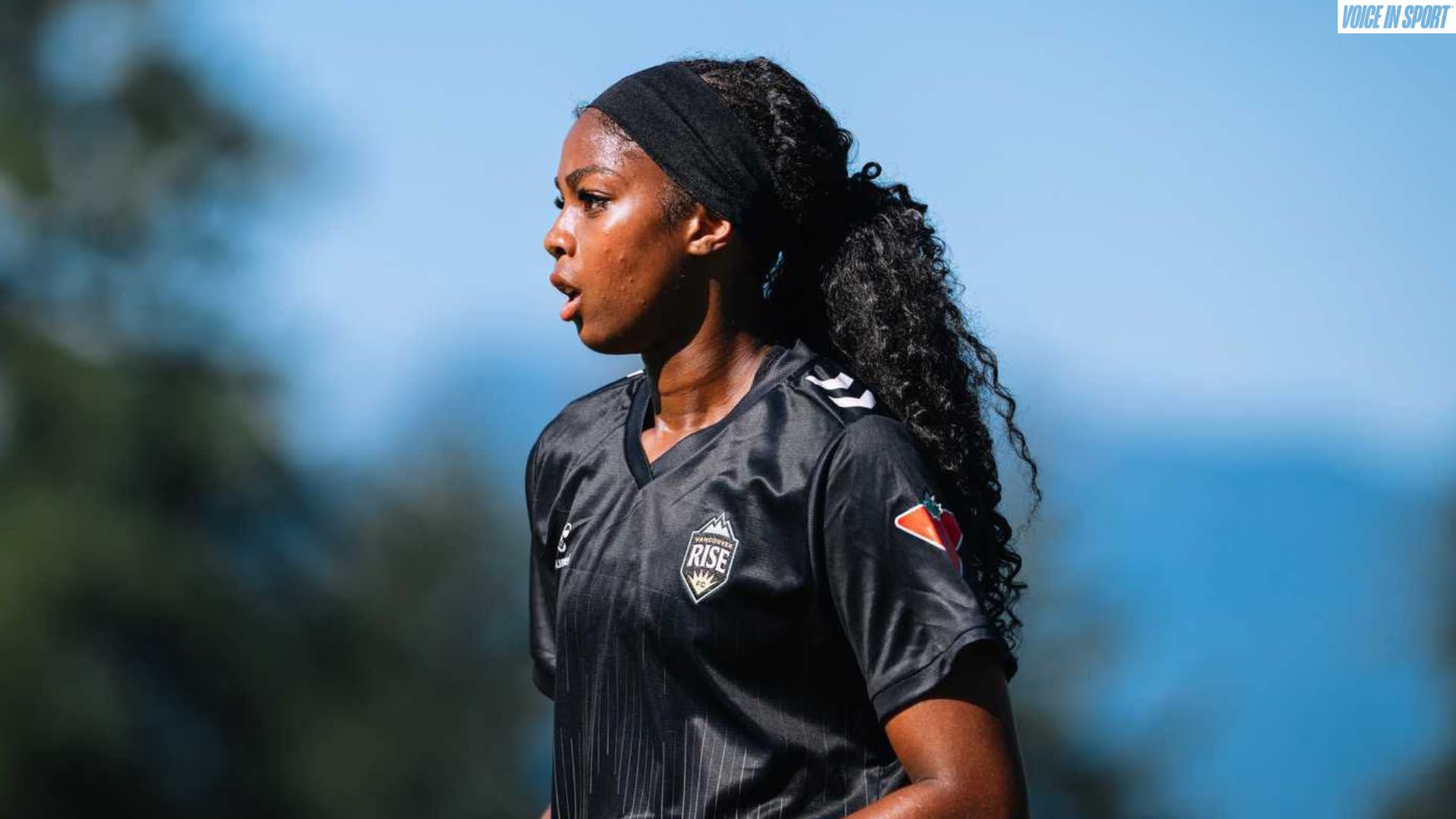
When Kennedy Faulknor steps onto the pitch for Vancouver Rise FC, she’s not just playing the game she loves. She’s celebrating the chance to play it at all.
The weekend’s match on 18th July, 2026 against AFC Toronto was another chapter in the Northern Super League season. For fans, it was an exciting contest between the two ambitious clubs. For Faulknor, every kickoff carries a deeper meaning after spending nearly 18 months away from football while recovering from post-concussion syndrome.
During that time, the sport she had built her life around suddenly became uncertain.
Concussions are often called invisible injuries because the symptoms aren’t always obvious to others. Headaches, dizziness, fatigue and cognitive challenges can make everyday life difficult, even when an athlete appears physically healthy. Recovery isn’t always measured in weeks. For some, symptoms can linger for months, making the journey back to sport as much a mental challenge as a physical one.
For Faulknor, the hardest part wasn’t stepping away from football. It was figuring out who she was without it.
During her recovery, she found herself questioning her identity outside the game. Looking back now, she says that difficult chapter completely transformed her relationship with football.
“It’s allowed me to see myself as more than just a footballer,” Faulknor says. “After being away from the game, I’ve learned to take the pressure off and appreciate every moment I’m on the field. I play with more freedom and gratitude, and that’s when I’m at my best.”
Her experience is one we as athletes can relate to.
Growing up in sport, it’s easy for your identity to become intertwined with your performance. School schedules revolve around training. Weekends revolve around competition. Your closest friends become teammates. When an injury suddenly takes that away, it can feel like you’ve lost a part of yourself.
Faulknor has spoken about leaning on her family, trusting her medical team and accepting that healing couldn’t be rushed. Some days, progress looked significant. Other days, success simply meant believing better days were still ahead.
Instead of measuring recovery by minutes played or matches won, she learned to celebrate the small victories that often go unnoticed.
“It’s shown me the importance of patience, trusting the process, and appreciating every opportunity I get to step on the field,” Faulknor says.
That shift in perspective changed everything.
“After being away from the game, I’ve learned to take the pressure off and appreciate every moment I’m on the field. I play with more freedom and gratitude, and that’s when I’m at my best.”
Resilience Looks Different
In elite sport, recovery is often treated like a countdown. Athletes are constantly asked when they’ll return, whether they’re feeling better or how close they are to competing again. It can be easy to focus on the finish line instead of recognizing the resilience it takes to reach it.
For Faulknor, resilience has taken on an entirely new meaning.
“Resilience to me means believing in yourself, even when the outcome is uncertain. It’s staying true to who you are, focusing on what you can control, and having the courage to keep pursuing your goals despite the obstacles and challenges you face along the way,” Faulknor says.
By speaking openly about the emotional side of recovery, Faulknor is helping normalize conversations that too often stay hidden. She’s showing us, as athletes, that struggling doesn’t make you weak and asking for support doesn’t make you any less competitive.
As the Northern Super League continues to grow, more girls across Canada are seeing women compete at the highest level. They’ll celebrate the goals, tackles and trophies. They’ll dream about wearing a professional jersey one day.
But they’ll also see athletes like Kennedy Faulknor, who remind us that the strongest moments don’t always happen during the 90 minutes on the field. Sometimes they happen during months of rehabilitation, in doctor’s offices, or while learning to trust your body again. Sometimes they happen the moment you realize your identity was never defined by the sport you play.
Finding Joy in the Journey
Vancouver Rise FC defender Kennedy Faulknor advises athletes with long-term injuries to trust the recovery process, a perspective shaped by her own experience with severe, Post-Concussion Syndrome.
“Focus on the things you can control like staying consistent with your rehab. Everyone’s timeline is different so give yourself grace when things get hard and have faith in knowing that you’ll get back to where you need to be,” Faulknor says.
Returning to football wasn’t the end of Faulknor’s story. It was the beginning of a new one; built on perspective, gratitude and a deeper understanding of herself.
If there’s one lesson she hopes every girl in sport carries with them, it’s this:
“It’s easy to get caught up in the pressure and expectations you put on yourself that you forget to enjoy the game,” Faulknor says “Being away from it reminded me not to take those moments for granted. Don’t lose sight of why you started and remember the joy that made you fall in love with the game in the first place.”
