 X (Twitter)



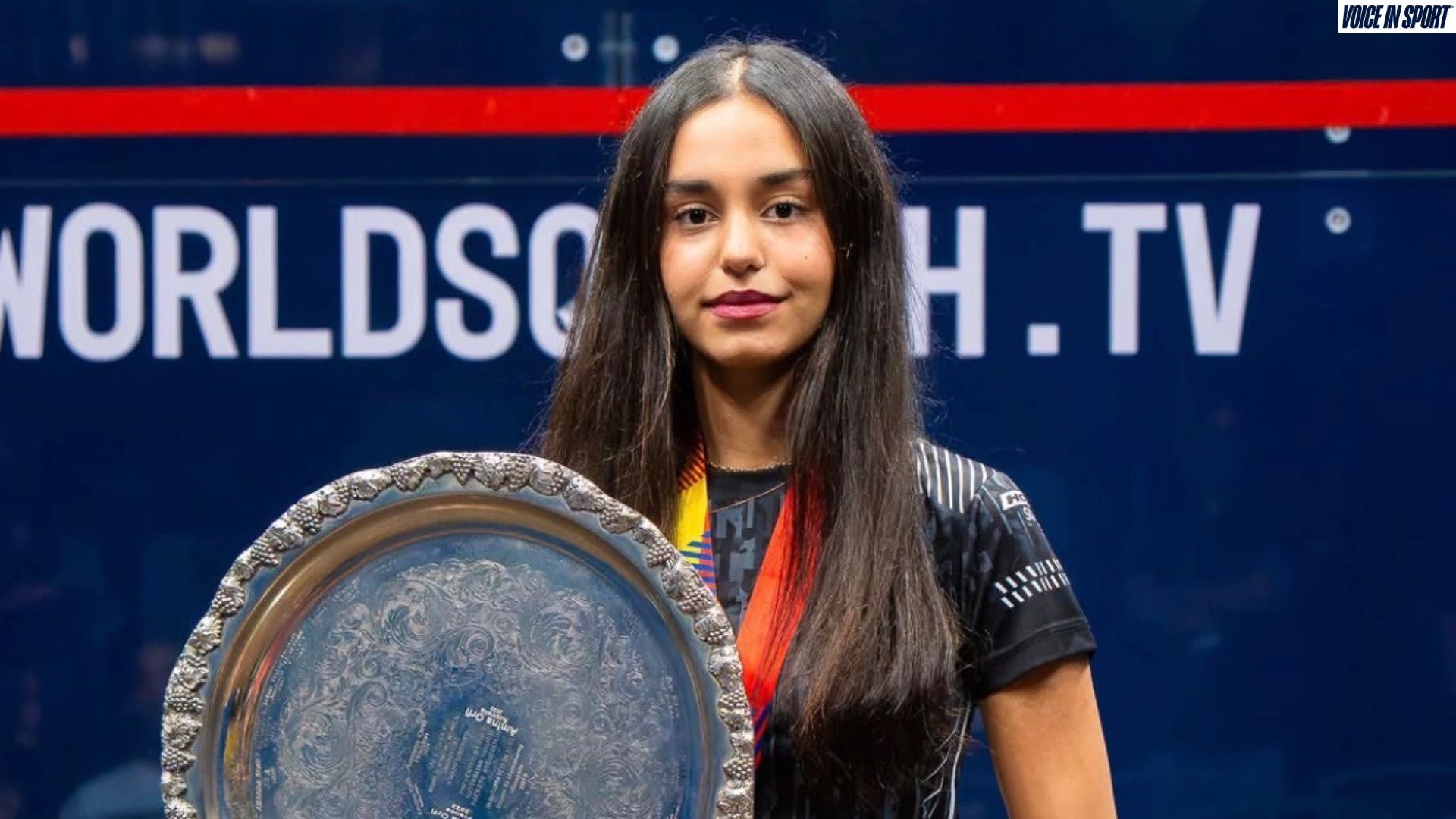
On July 20, the best squash players across the globe attended the 2026 World Squash Junior Championships in Niagara-on-the-Lake, Ontario. Held in Canada for the first time since the 1984 Junior Men’s Team Championships, the event brought 40 teams from 24 different nations, competing at the White Oaks Resort and Spa.
With over 180 top players and 16 different women’s national teams competing for the same title, the event showcased the best women’s junior squash from around the world. The tournament spanned a total of 11 days, including both an individual and team draw, for Men’s and Women’s categories.
Beyond just highlighting the future of professional squash and its growth, the event reaffirmed an important message: women’s sports and women’s squash are here to stay and grow. Every single girl who stepped on court during this event showed why representation in sports matters.
The Future of Women’s Squash
While all players were aiming for the same goal, to be crowned world champion, one player captured that title and emerged as the face of the future of women’s squash: Anahat Singh.
On July 25, Anahat Singh, an 18 year old junior squash player ranked a highest world ranking of 19 on the Professional Squash (PSA) circuit, made history as the first ever Indian women’s squash player to be crowned a World Junior Champion. Singh broke the 16-year consecutive reign of Egypt Squash to win a women’s individual title, making her not only the first Indian player to win a world championship but also the first non-Egyptian player to claim the title since 2010.
“I think it’s huge for Indian Squash, just to see someone just getting to play at this stage. And the fact that hopefully if a few people are able to see my matches and see the other players playing the event, I think we gain a lot more recognition. India is a huge country, and if it reaches the right audience it can really blow up as a sport,” Singh explained in a post-match interview with World Squash.
Her historic win has attracted attention from a lot of different media outlets which squash normally isn’t featured in, including ESPN and Olympics News, creating a spotlight on an ever-growing niche sport.
“I think it’s huge for Indian Squash, just to see someone just getting to play at this stage. And the fact that hopefully if a few people are able to see my matches and see the other players playing the event, I think we gain a lot more recognition. India is a huge country, and if it reaches the right audience it can really blow up as a sport.”
Beyond Anahat’s Win
While Anahat’s victory was a historic marker for the event, the tournament also emphasized the growing presence of the sport worldwide and for women athletes in particular. The world junior championships marked the first time in history that Nigeria sent a full women’s team to the tournament.
“This is a huge step and a great opportunity for the girls to showcase the incredible talent we have in Nigeria. It’s a great chance for them to go back home and apply everything they’ve learned here,” explained Nigeria’s Head Coach, Jonah Ibrahim Attah in an interview with Squash Canada.
Why Representation Matters
The 2026 World Junior Squash Championships is a prime example of why representation in sports is so important. Anahat’s historic win shows how women athletes outside traditional powerhouses can compete at the highest level, keep pushing after falling short for the past three championships, and still find a way to achieve her athletic dream.
Highlighting these stories shows the importance of VISibility, specifically in underrepresented and “niche” sports like squash. Singh’s success reflects how women athletes around the world are reaching historic milestones and performances, but this time with actual news coverage. Her story inspires young girls in India, and around the globe, to keep pushing to reach their dreams. Role models like Singh help keep girls in sports, showing that there is a clear pathway from elite junior competition to the professional circuit and even the Olympics.
Beyond the individual title, the tournament highlighted the sport’s broader growth, from the Nigerian women’s team making its first-ever World Championship appearance and winning their first match, to India producing its first women’s junior world champion. It’s clear that more countries are competing for world titles, and more young girls are seeing athletes who look like them succeed on the international stage.
This visibility comes at a pivotal moment. Squash prepares to make its Olympic debut at the LA 2028 Games, reaching its largest global audience ever. Players like Singh represent more than the future of women’s squash. Her historic victory is a reminder that greater visibility creates greater possibility, encouraging the young girls watching around the world to see a place for themselves in the athletic world. Showing that representation could be the difference between trying the sport and staying in it.
